66K
Downloads
229
Episodes
Maghrib in Past & Present | Podcasts is a forum in which artists, writers, and scholars from North Africa, the United States, and beyond can present their ongoing and innovative research on and in the Maghrib. The podcasts are based on lectures, live performances, book talks, and interviews across the region. Aiming to project the scientific and cultural dynamism of research in and on North Africa into the classroom, we too hope to reach a wider audience across the globe.
Episodes
Sunday Nov 12, 2017
Sunday Nov 12, 2017
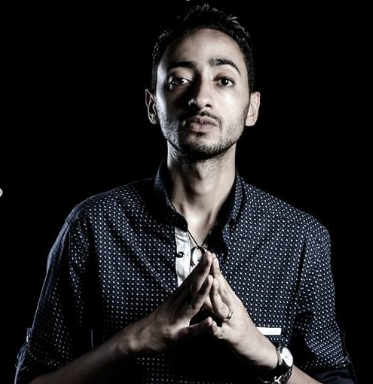
Episode 9: Poetry Slam Evening
قعدة مع منعم الصلامور
عبد المنعم البوديابي المعروف بمنعم الصلامور، مغربي زاد في طنجة عام 1992. تقني متخصص في الشبكات المعلوماتية، عضو في لجنة تحكيم الصلام للمدارس بطنجة الي تنظمها المدرسة الفرنسية بطنجة. من مؤسسي الكولكتيف : الفرقة الي تعاون باش توصل الصلام للناس عن طريق ورشات في المدارس و المؤسسات. منعم بدا حياتو الفنية في 2005 بكتابة الراب، في 2007 دار الغنية تاعو اللولة و في 2013 بدا صلام مع جماعة كافي صلام طنجة لي كان الكافي صلام اللول في المغرب كامل. لعب في كثر من 50 سهرة محليا و دوليا كيما عيد الصلام اللول و الزاوج و الثالث ،الصلام في السجن، الدخلة بكتاب اللول والزاوج والثالث في طنجة. شارك تاني في المهرجان الوطني الثاني للشعر و الزجل ، و الحدث الدولي ل 100000 شاعر من اجل التغيير في العالم. منعم عندو بزاف الصلامات لي مشهورين ومحبوبين منهم : العربارجة , بلادي فوبي , كولورادو٠٠٠في هاد البودكاست منعم يسمعنا شوي من الصلامات تاوعوالي يهدر فيها علا مواضيع مختلفة
هاذي الحلقة تسجلت في 30 سبتمبر 2017 و تندارج في الحدث لي نظمو المعهد الامريكي للدراسات المغربية بطنجة
"Poetry Slam Evening"
Tuesday Nov 07, 2017
Tuesday Nov 07, 2017
Episode 8: Évolution du discours sur les berbères et catégorisation sociale dans les sources textuelles de l'occident musulman (IXe-XVIe siècles)
Dans cet épisode, Pr. Allaoua Amara, Historien, Université Islamique Emir Abdelkader de Constantine, nous montre que l’origine du peuplement de l’Afrique du Nord a fait l’objet d’un large débat historiographique. Les auteurs médiévaux de langue arabe ont utilisé plusieurs dénominations pour désigner les populations présentes au Maghreb au moment des conquêtes omeyyades. Cependant, c’est le mot barbar qui a pu être conservé pour dénommer toutes ces populations après un long processus de catégorisation sociale.
Après l’avoir utilisé pour désigner les communautés schismatiques ou rebelles contre l’ordre califal, l’emploi du mot barbar a été étendu pour englober des communautés dont les traits communs sont linguistiques. A partir du XIIe siècle, la catégorisation de ces anciennes communautés du Maghreb a commencé à faire l’unanimité parmi les auteurs de langue arabe. Une lecture critique du discours historique est capable de mettre en exergue l’évolution de cette catégorisation de la période médiévale.
La conférence de Pr. Allaoua Amara est programmée dans le cadre du cycle de conférences « Histoire du Maghreb / Histoire au Maghreb », organisé par le Centre d’Études Maghrébines en Algérie (CEMA). Elle a eu lieu le 3 octobre 2017 au CEMA, Oran. Dr. Saddek Benkada, historien et maître de recherches au Centre de Recherche en Anthropologie Sociale et Culturelle (CRASC) a modéré cet évènement.
Tuesday Oct 31, 2017
Tuesday Oct 31, 2017
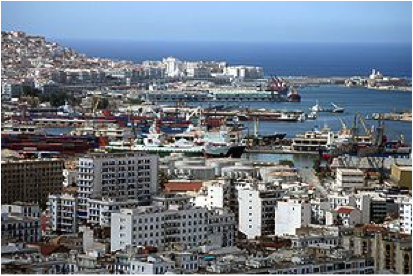
Episode 7: Démographie et développement en Algérie:
Un lien a toujours été établi entre démographie et développement en des termes selon lesquels la démographie entretiendrait des liens directs avec le développement, c’est ainsi que, depuis plus d’un siècle, les populations du Sud sont confrontées à la culpabilité d’être, par des taux de fécondité importants, à la source du sous-développement et de la pauvreté qu’elles connaissent. Car ces populations, par leur comportement procréatif, mettraient en crise les politiques de développement de leurs gouvernements.
Dans ce Podcast, Pr. Fatma Oussedik, sociologue à l’Université d’Alger 2 et chercheure associée au Centre de Recherche en Économie Appliquée du Développement, a choisi de déconstruire les termes démographie et développement pour les situer dans le contexte algérien. Dans ce but, elle a pris le soin de conduire ce débat en replaçant les enjeux auxquels est confronté l’Algérie dans un cadre plus large, celui du continent africain auquel elle appartient.
Pour ce faire, elle s’est intéressée à trois aspects incontournables de cette problématique : Tout d’abord, un État des lieux où elle revient sur la périodisation de la politique de la population en Algérie. Ensuite, elle a présenté quelques réflexions d’experts dans le domaine du développement et de la démographie. Enfin, elle a proposé quelques pistes de réflexions issues d’une pratique du terrain algérien et de l’étude des comportements des familles en Algérie. Ces réflexions d’une pratique de sociologue tentent de saisir les rationalités sociales et les logiques régionales en mettant le fonctionnement des familles au centre du débat.
La conférence de Pr. Fatma Oussedik est programmée dans le cadre du cycle de conférences « Espaces et Territoires au Maghreb », organisé par le Centre d’Études Maghrébines en Algérie (CEMA). Elle a eu lieu le 28 septembre 2017 au CEMA, Oran.
Tuesday Oct 24, 2017
Tuesday Oct 24, 2017
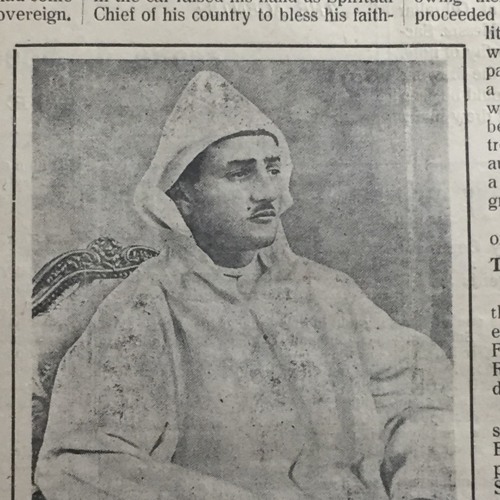
Episode 6: Les événements d’Avril 1947
Une perspective espagnole
Pr. Bernabé Lopez Garcia, Professeur émérite d’études islamiques à l’Universidad Autónoma de Madrid, présente une communication sur la crise provoquée par les discours prononcés par le Sultan Mohammed Ben Youssef (Roi Mohammed V) et la princesse Lalla Aicha Alaoui, les 10-11 avril 1947 à la zone internationale de Tanger. Prononcés dans une cité gérée par un consortium international, et revendiquée par les nationalistes espagnols et ceux de l’Istiqlal, ces discours, plaidant pour un Maroc indépendant et unifié, ont encouragé le mouvement national et envoyé des ondes de choc à travers la communauté internationale, conduisant ainsi au rappel du Général français Eirik Labonne et son remplacement par Alphonse Juin en mai de la même année. La conférence du Pr. Lopez Garcia s’appuie essentiellement sur les archives consulaires espagnoles de la zone internationale de Tanger.
Cette conférence est enregistrée à Tangier American Legation Institute for MoroccanStudies (TALIM), le 6 avril 2017, Tanger, Maroc.
Tuesday Oct 17, 2017
Tuesday Oct 17, 2017
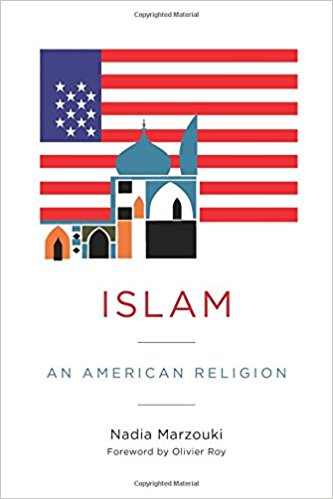
Episode 5: Interview with Nadia Marzouki
Islam: An American Religion
[in English]
Dr. Nadia Marzouki is a Lecturer in Law at Yale Law School and a Research Fellow at the Centre National de la Recherche Scientifique in Paris. Her work examines public controversies about Islam in Europe and the United States. She is also interested in debates about religious freedom and democratization in North Africa. She is the author of Islam: An American Religion (Columbia University Press, 2017). She coedited with Olivier Roy and Duncan McDonnell, Saving the People, How Populists Hijack Religion (Oxford University Press, 2016).
In this Podcast, CEMAT Director, Dr. Laryssa Chomiak, interviews Dr. Nadia Marzouki about her recent book, as well as public debates over religion and public space in the United States, North Africa, and beyond. The recording is part of the Contemporary Thoughts discussion series and was recorded at the Centre d’Études Maghrébines à Tunis (CEMAT), on 03 October 2017, in Tunis, Tunisia.
Tuesday Oct 10, 2017
Tuesday Oct 10, 2017
Episode 4 : Well-Being in Algeria:
Findings from the 2017 World Happiness Report
[in French]
Dr. Habib Tiliouine, Professor of Psychology at University of Oran 2 Mohamed Ben Ahmed and contributor to the World Happiness Report, discusses Algeria’s 2017 ranking: first on the African continent, and sixth in the MENA region. Comparing survey data results from participating countries in those regions, Prof. Tiliouine and colleagues found a strong negative association between perceptions of lived poverty and perceptions of well-being. For Algeria, Prof. Tiliouine underscores, the findings reveal the widespread popularity of social distribution and welfare programs unavailable elsewhere in the region.
The lecture was recorded at the Centre d’Études Maghrébinesen Algérie (CEMA), on 9 May 2017, in Oran, Algeria. Dr. Mourad Moulai Hadj, Professor of Sociology at the University of Oran 2 Mohamed Ben Ahmed / Associate Researcher at the Centre de Recherche en Anthropologie Sociale et Culturelle moderated the lecture.This podcast should be listened to with the slides (www.themaghribpodcast.com).
Tuesday Oct 03, 2017
Tuesday Oct 03, 2017
Episode 3: The Saharan Diaspora and the end of Roman North Africa
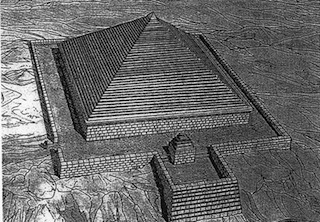
Although there is not much doubt that, in the early fifth century, Roman North Africa was having to defend itself from attacks by 'Moors,' there is little agreement on just who these 'Moors' actually were, and where they came from. In this podcast, Dr. Elizabeth Fentress, Archaeologist, Honorary Visiting Professor at University College London, and creator of Fasti Online presents an article co-written with University of Oxford Archaeologist, Prof. Andrew Wilson. In the work, they argue that the attacks were coming from the Saharan tribes who arrived in the Hodna and the Aurès mountains from the oases to the south, or the Saharan Atlas. Evidence for their settlement in the Tell comes from Saharan-type tombs and from the distribution of the so-called 'Zenatic' languages. An examination of the history of the kingdom of the Garamantes in the Fezzan shows the sort of ecological constraints that may have conditioned this northward movement of Berber tribes. This podcast should be listened to with the slides (www.themaghribpodcast.com).
The lecture, part of the Saharan Lectures series, was co-organized by the Centre d'Études Maghrébines en Algérie (CEMA) and the Centre de Recherche en Anthropologie Sociale et Culturelle (CRASC), and given at CRASC in Oran, Algeria on 10 September 2017. Dr. Dida Badi Ag Khammadine, Anthropologist from the Centre National de Recherches Préhistoriques, Anthropologiques et Historiques (CNRPAH) moderated the lecture.
Monday Sep 25, 2017
Monday Sep 25, 2017
Episode 2: Volubilis: Between Romans, Awraba and Idris I
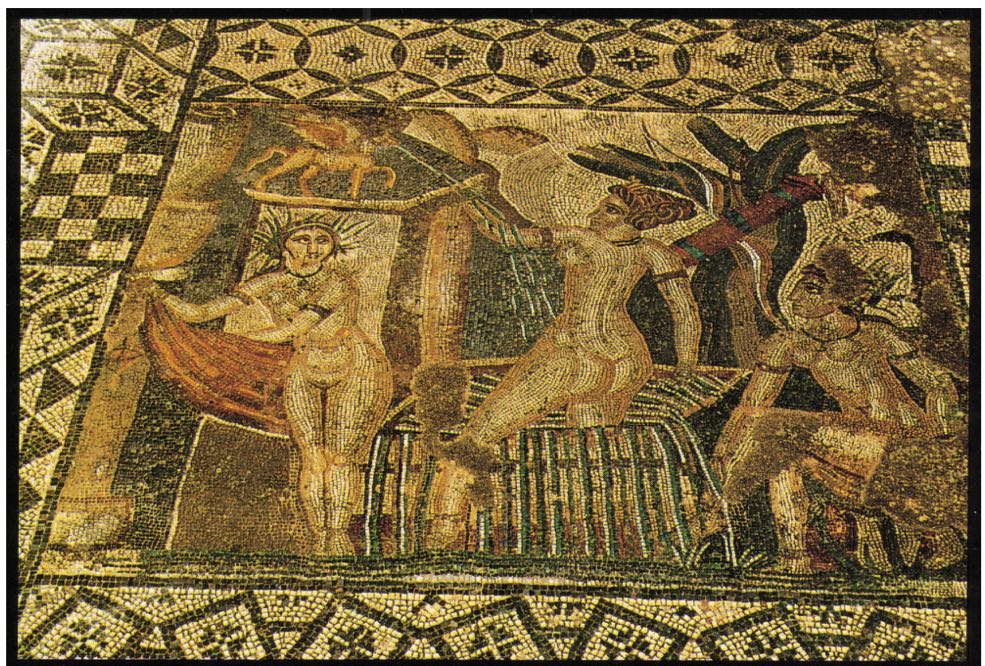
In this lecture, Dr. Elizabeth Fentress, Archaeologist, Honorary Visiting Professor at University College London and creator of Fasti Online discusses findings from excavations carried out between 2000 and 2005 by the Moroccan Institut National des Sciences de l'Archéologie et du Patrimoinee and University College London. This podcast describes the excavations in detail, and concentrates on the differences between those two communities. It should be listened to with the slides (see here), which are essential to understanding the site.
The lecture, part of Languages & Societies in the Maghrib lecture series, was recorded for the Centre d'Études Maghrébine en Algérie (CEMA), in Algiers, Algeria on 12 September 2017.
Monday Sep 18, 2017
Monday Sep 18, 2017
Episode 1: Le secret de la girelle, un roman
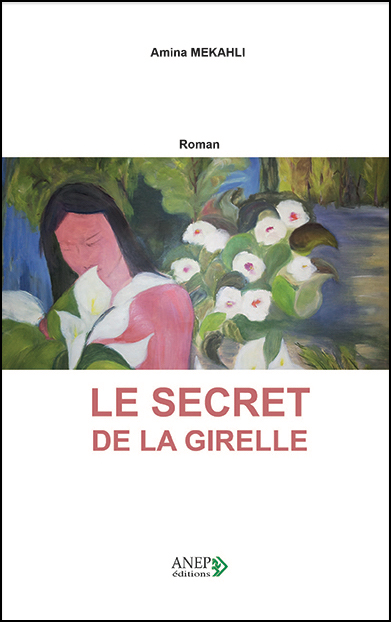
Rencontre littéraire du premier roman d'Amina Mekahli, Le secret de la girelle, animée par l'écrivaine Maïssa Bey.
Cette rencontre est programmé dans le cadre du Cycle des conférences Arts et Lettres au Maghreb, organisé le 12 avril 2017 au Centre d'Études Maghrébines en Algérie (CEMA), à Oran.
Les Auteures
Passionnée par la littérature, Amina Mekahli a écrit de la poésie depuis son jeune âge. Son premier recueil de poésie, Tiaret, Chevaux & Légendes, a été co-signé avec le photographe Nacer Ouadahi en 2015 (Alger : ANEP). La collection comprend une soixantaine de poèmes et cinq contes populaires sur les chevaux de la région de Tiaret, très connue pour ses traditions équestres. En 2016, elle publie son premier roman, Le Secret de laGirelle, œuvre consacrée à l'art et à la peinture (Alger : ANEP), nominée pour le Grand Prix Assia Djebar du roman, cette année-là. Son deuxième roman, Nomade Brûlant, sorti en automne 2017 (Alger: ANEP), a été également nominé pour le Grand Prix Assia Djebar du roman. En 2017, elle a été primée à du deuxième Prix International de Poésie L. S. Senghor (Milan, Italie) pour le poème « Je suis de vous », extrait de son roman Nomade Brûlant. Amina Mekahli publie régulièrement ses poèmes et ses écrits sur son website ainsi que la page Lisez Algerien sur Facebook. Elle édite également une section littéraire, "Invitation en Auteur" dans le journal numérique, Le Journal de l’Oranais.
Auteur de seize textes littéraires, dont la prose, la poésie et le théâtre, Maïssa Bey est une écrivaine algérienne de renommée internationale. Son premier roman, Nouvelles d’Algérie (Paris : Éditions Grasset), a remporté le Grand Prix de littérature de la Société des gens de lettres, en 1998. Son deuxième roman, Cette fille-là (Éditions de l'Aube), a reçu le Prix Marguerite Audoux, en 2001. D’autres prix lui ont été décernés : le Prix Cybèle pour Surtout ne te retourne pas (Alger: Barzakh), en 2005, le Grand Prix du roman francophone 2008 pour Pierre, Sang, Papier ou Cendre (Alger: Barzakh), en 2008 et le Prix de l'Afrique, Méditerranée / Maghreb pour Puisque mon coeur est mort (Éditions de l'Aube). Son dernier roman, Hiyza (Alger : Barzakh) a été nominé pour le Grand Prix Assia Djebbar du roman, en 2015.